
Extending your healthy lifespan
We combine AI with biology from the beginning of human life to discover medicines no dataset could reveal before.
Our synthetic human yolk sac recreates the environment where human blood first forms. It gives us access to the regenerative biology of early life, and AI helps us find the molecules that could restore it.
From this platform, we are building three generations of medicines: rejuvenating blood stem cells for transplant patients, delivering regenerative signals through an injectable, and bringing our discoveries into accessible everyday health products.
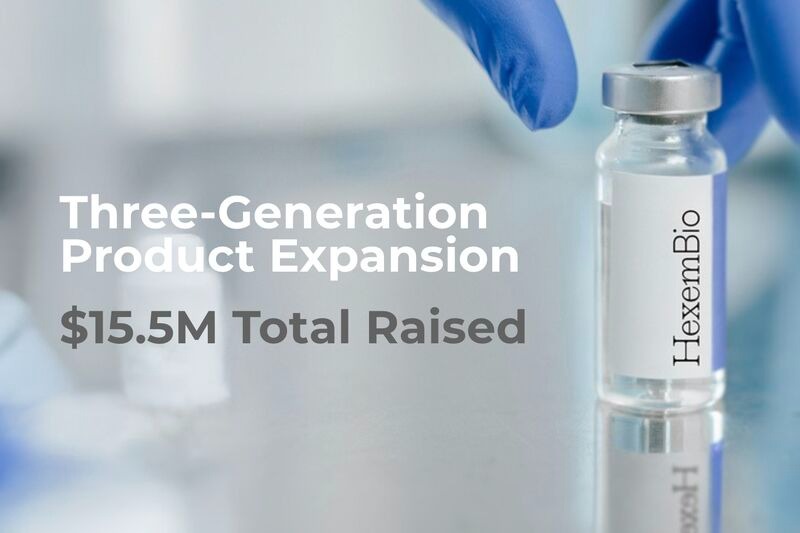
$15.5M raised. First program entering the clinic soon.
What that means
Early in human development, the yolk sac is where blood cells first form. HexemBio has created a synthetic version of that environment in the lab: a model that lets its scientists study the biological signals present when human blood is young, active and highly regenerative.
AI then helps the team read what is happening inside those cells, identifying molecules and mechanisms that would be almost impossible to find by searching existing medical or genetic data alone. In other words, HexemBio is not simply mining past health records; it is creating new biological evidence, then using AI to turn it into potential medicines.
From that single platform, HexemBio is developing three generations of medicines:
- Rejuvenating blood stem cells. Its lead cell therapy is designed to restore the function of a patient’s own blood-forming stem cells outside the body before returning them, initially to improve outcomes for people undergoing bone marrow transplants.
- Delivering regeneration without cell processing. Its second programme is an injectable designed to carry regenerative signals directly to the body, with potential to help mitigate the effects of cancer treatment and radiation exposure.
- Bringing the science into everyday health. Its third programme applies a peptide discovered through the platform to a topical skin product, creating a more accessible, non-invasive route to market.
Together, these programmes move from treating people facing serious illness today, to helping the body recover and regenerate, to making aspects of that science available more widely.
Why it matters
Most longevity research starts at the end of life, studying people who have already grown old. HexemBio starts at the beginning, looking for the biology that makes young bodies repair themselves so effectively, and asking how it might be restored when health is challenged later.
That is what “extending your healthy lifespan” means to HexemBio: not simply adding years, but helping people live with greater strength, resilience and quality of life in the years they have.
Medicines for the moments that matter
HexemBio’s first programme focuses on people facing serious blood disease. Its cell therapy is designed to rejuvenate a patient’s own blood-forming stem cells outside the body before they are returned, with the aim of improving bone marrow transplant outcomes.
Its second programme takes the same biological insight in a different direction: an injectable designed to deliver regenerative signals without collecting and processing a patient’s cells. It is being developed to help mitigate the effects of cancer treatment and radiation exposure, supporting people through treatment and recovery.
The third generation brings the platform’s discoveries into everyday health. A peptide-based, topical skin product is designed to make aspects of this regenerative science more accessible, with a potentially earlier route to market than a prescription therapy.
Together, the three programmes reflect a deliberate progression: from treating critical illness, to supporting recovery, to making regenerative science part of more people’s everyday lives.
Designed to be accessible
HexemBio’s founders believe that if a scientific breakthrough can improve lives, it should not be reserved for the few. That belief shapes how the company thinks about pricing, manufacturing and reimbursement from the earliest stage.
The team has simplified its manufacturing process by an estimated tenfold, reducing a major barrier to affordability. It is also engaging early with payers and healthcare stakeholders, recognising that a therapy only creates impact if people can actually access it.
This is where HexemBio’s ambition becomes tangible: not simply developing remarkable science, but building a business model designed to bring it to ordinary people.
A team built on trust
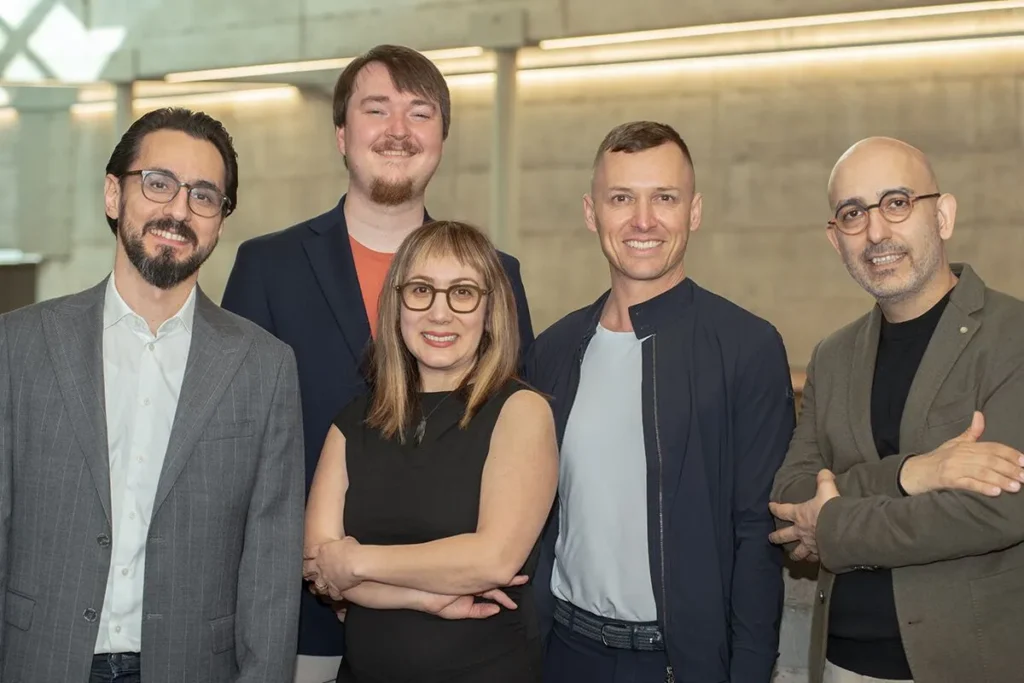
HexemBio was founded by five people who had already spent years collaborating, publishing and building together. That shared history gives the company an unusual foundation of trust for a field where the science is complex and the path to patients is demanding.
The founding team combines developmental biology, medicine, AI, commercial strategy and drug development experience. Just as importantly, they share a conviction that scientific progress should translate into practical benefit for real people.
Funding with purpose
HexemBio’s $15.5M raise is not simply funding discovery. It is intended to take the lead blood stem cell programme through manufacturing, regulatory submission and towards dosing its first patient, while supporting the development of the injectable and skin programmes.
The company received FDA Orphan Drug Designation for its lead programme in July 2025 and completed a pre-IND meeting in January 2026. First-in-human trials are targeted for 2027.
For Happiness Capital, the investment supports both scientific progress and a wider ambition: helping make regenerative medicine more accessible to the people who need it.
info@HappinessCapital.com


